form industries

form industries

A new foundation for energy.

Everything we build next runs on electricity. Homes, factories, cars, computers. But heat, power and data are still handled by separate systems that cannot talk to each other. Most of the energy we make is wasted as heat before it does anything at all.

So we started again.

We build one system that carries all three: water, power and data. The same system in a house as in a factory.

Water moves the heat. Data decides where it goes. One piece of software runs the lot, so it uses less power and costs less to run.

We are not building appliances. We are building a power company.

The units do not have to be connected to work together. Each one has a battery and senses its own room. Over data alone they take turns, so a building never spikes the grid. They buy power when it is cheap, use it when it is dear, and keep a room comfortable when the grid goes down.

That is a federated energy network. No shared pipework. No permission from the utility.

Connect them properly and it gets better again. Airform cools Electroform's batteries. Electroform feeds power back. Hyperform uses both. Every product is a node, and the more you join up the better it works.

Ten thousand of them is a power plant, built one room at a time.
Product roadmap

We started where the demand is biggest. Heating and cooling is one of the largest things a building does with electricity, and those machines have barely changed in decades. Airform moves heat with water instead of refrigerant. Any electrician and plumber can fit it, and one unit can take the heat another does not want.

  1. Airform

    Now

    One system, indoors and out. Heat moves between the two as water.

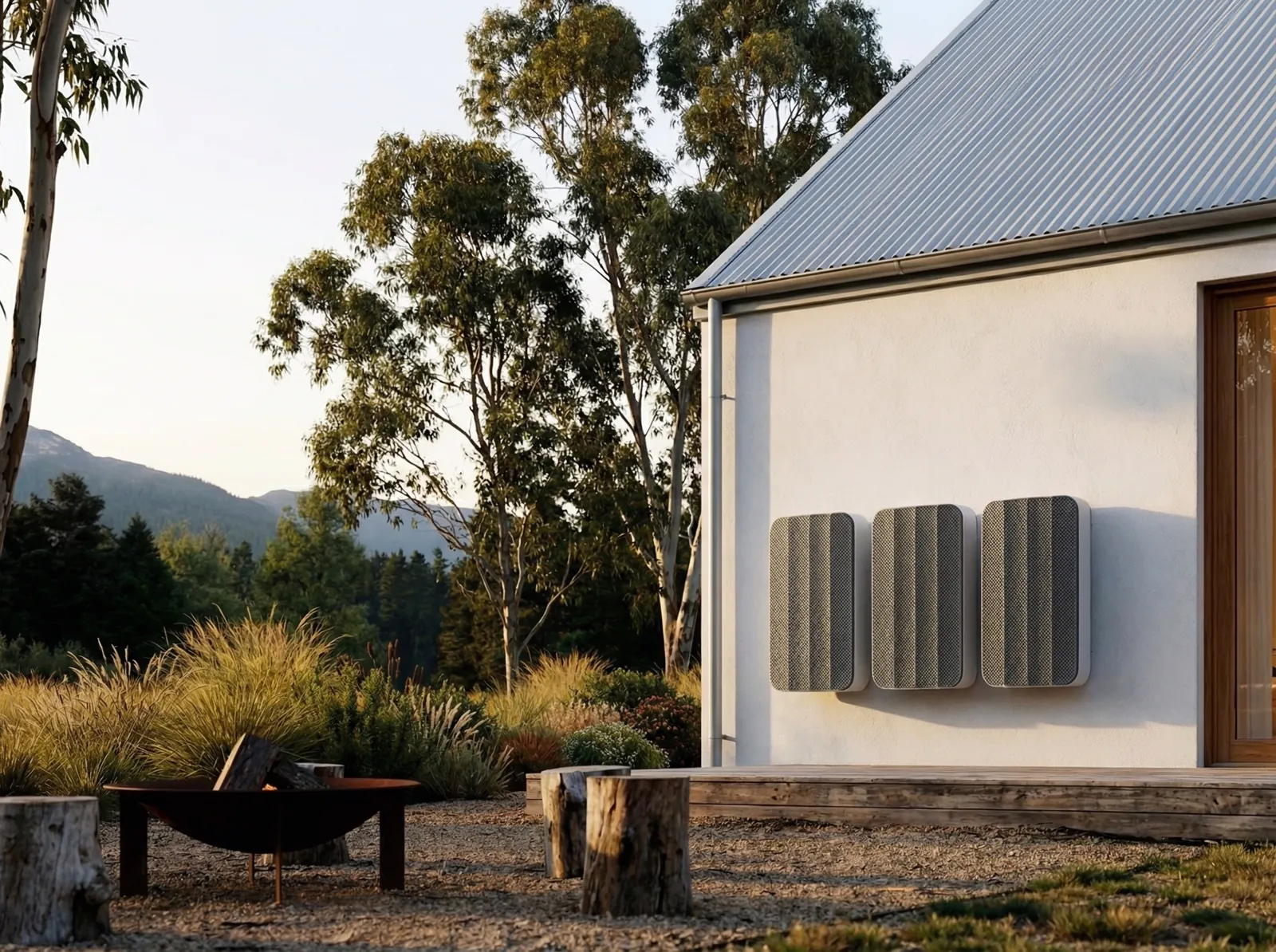
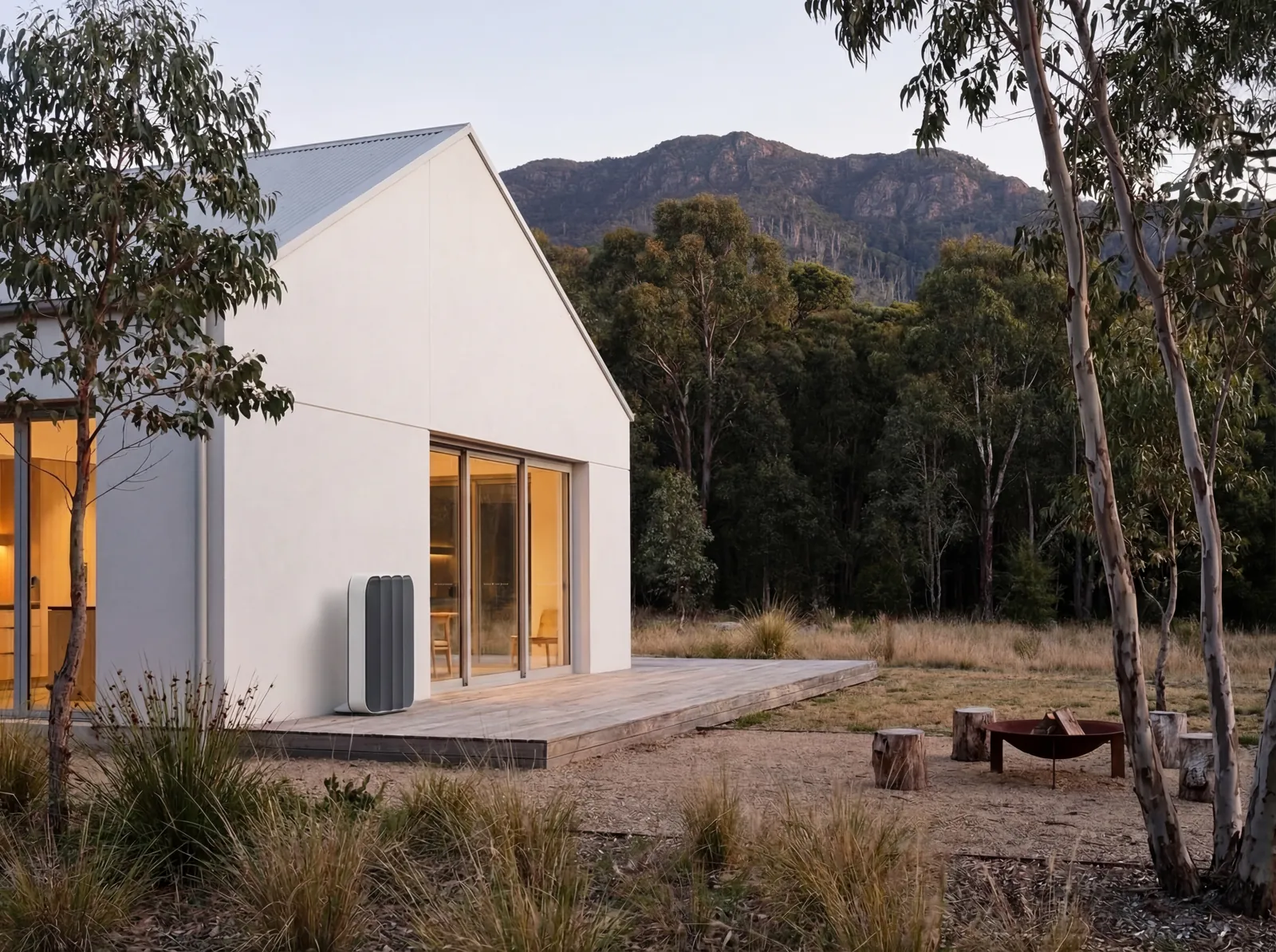
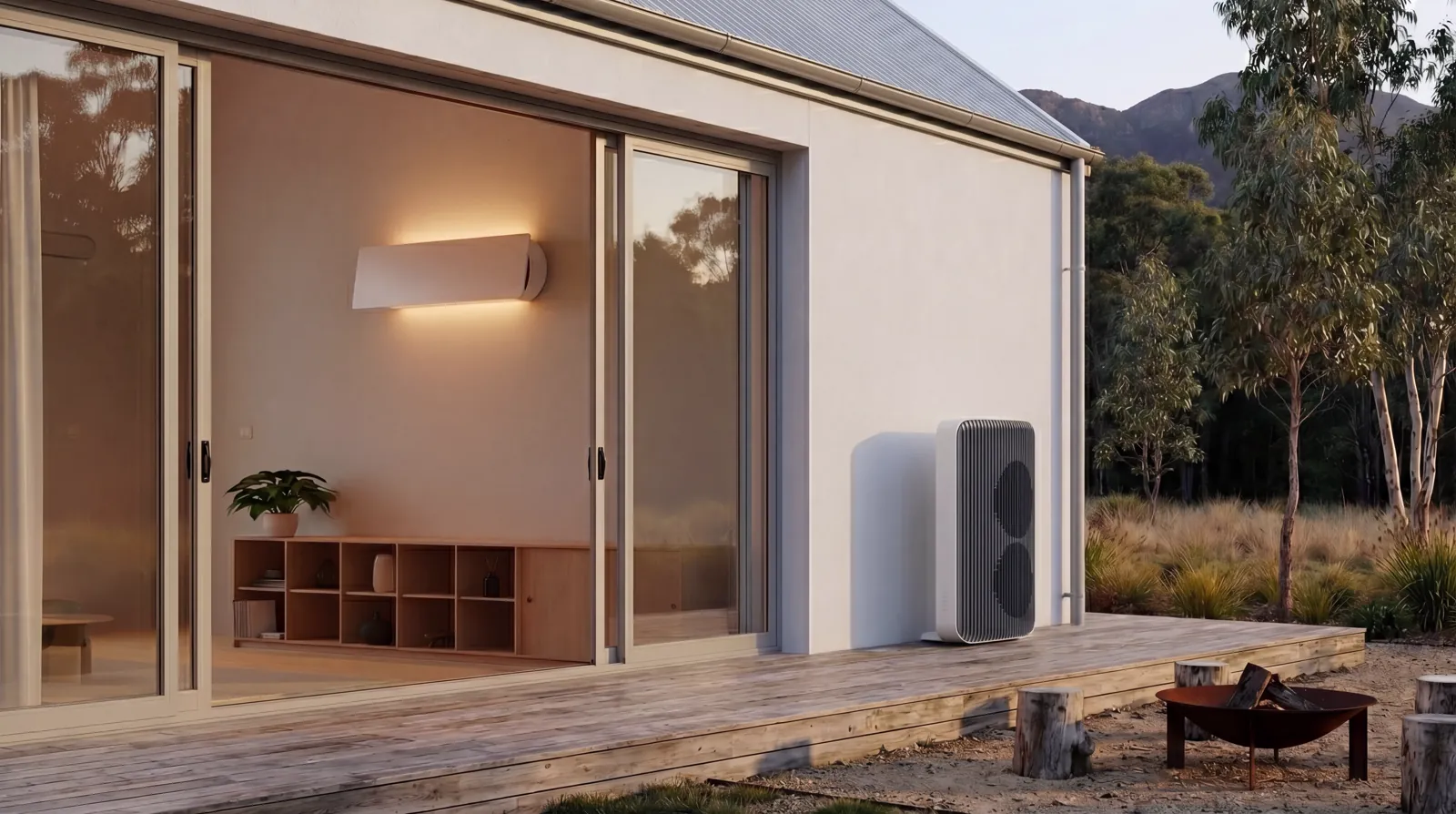
    Airform One units on the outside of a house An Airform One outdoor unit An Airform One outdoor unit installed against a wall
  2. Recessed System

    2027

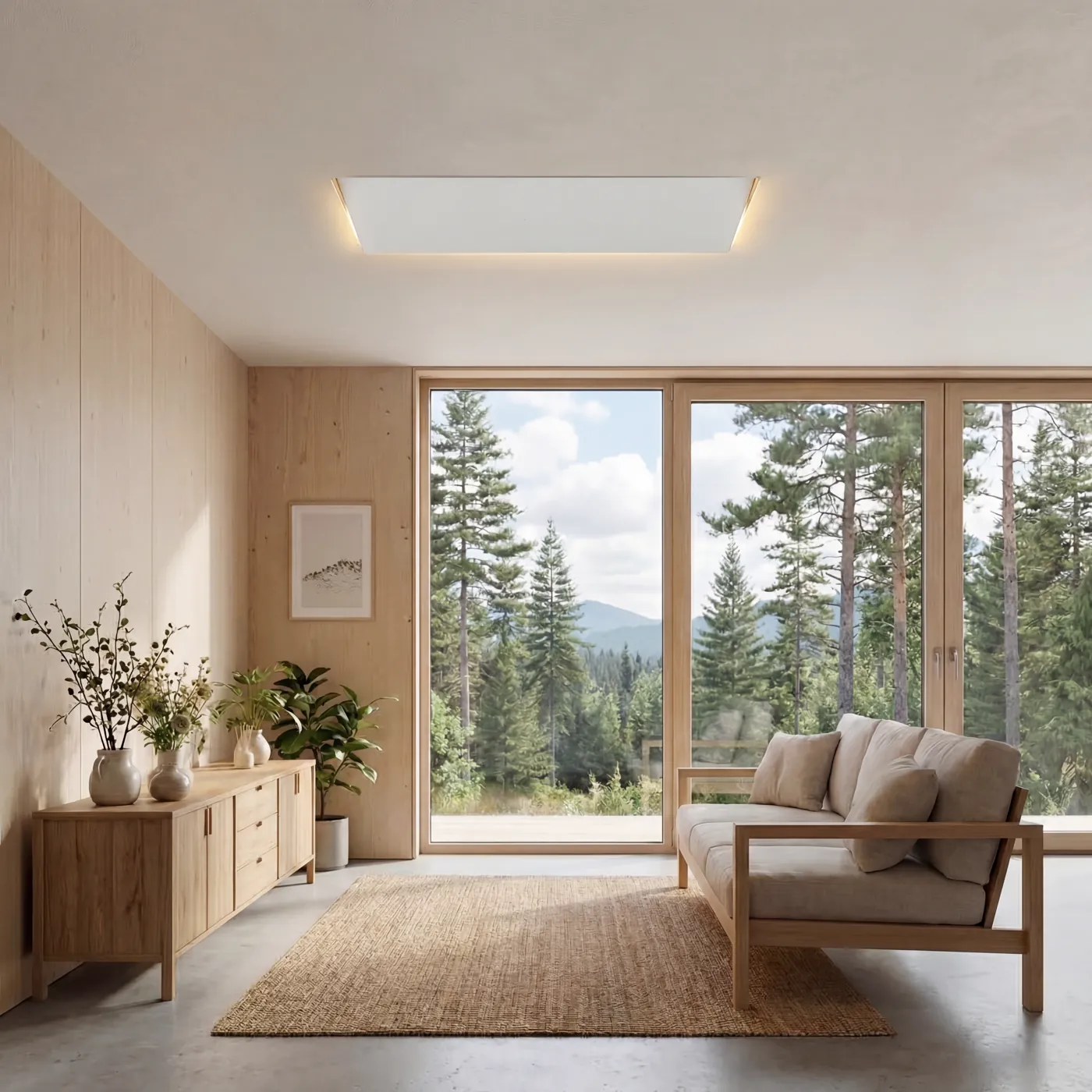
    The same unit, set into the wall and out of sight.

    An Airform recessed unit set into a wall
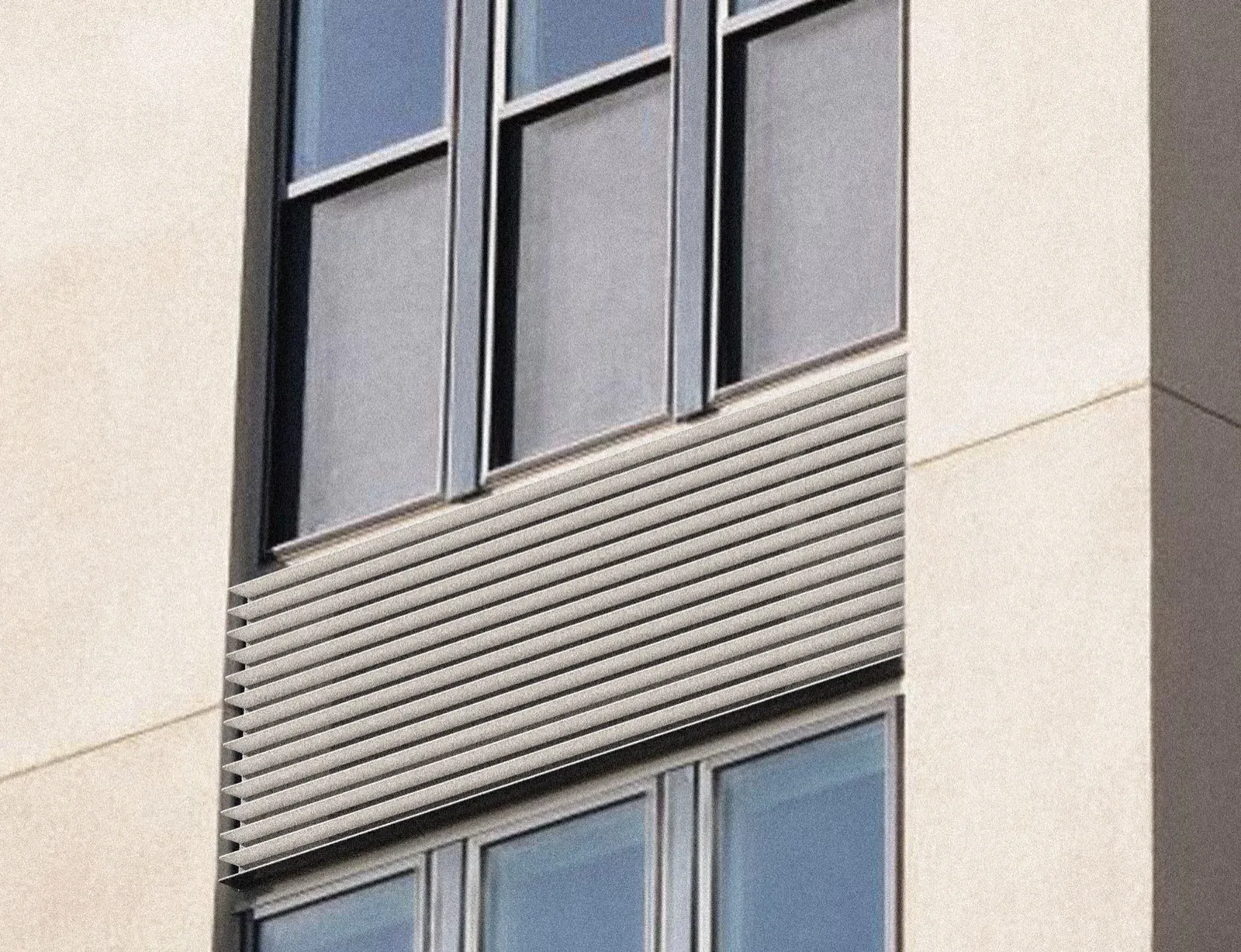
  1. A packaged terminal heat pump for apartments and hotels. It fits beneath a window, where a through wall conditioner used to sit, so nothing on the facade has to change.

    An Airform Solo unit fitted beneath a window on an apartment building

Industrial

Past a certain size the same parts become plant. More capacity to move heat. Storage to hold it. Something fast enough to decide where it goes. Here a building stops drawing on the grid and starts being part of it.

  1. Airform Max

    2027

    Three times the capacity. Units stack to add more.

  2. Electroform

    2028

    Batteries that lock into the same water loop.

  3. Hyperform

    2028

    Sends power and heat where they are needed, in under a second.

Then the network stops only using power and starts making it.

  1. Solar Form

    2029

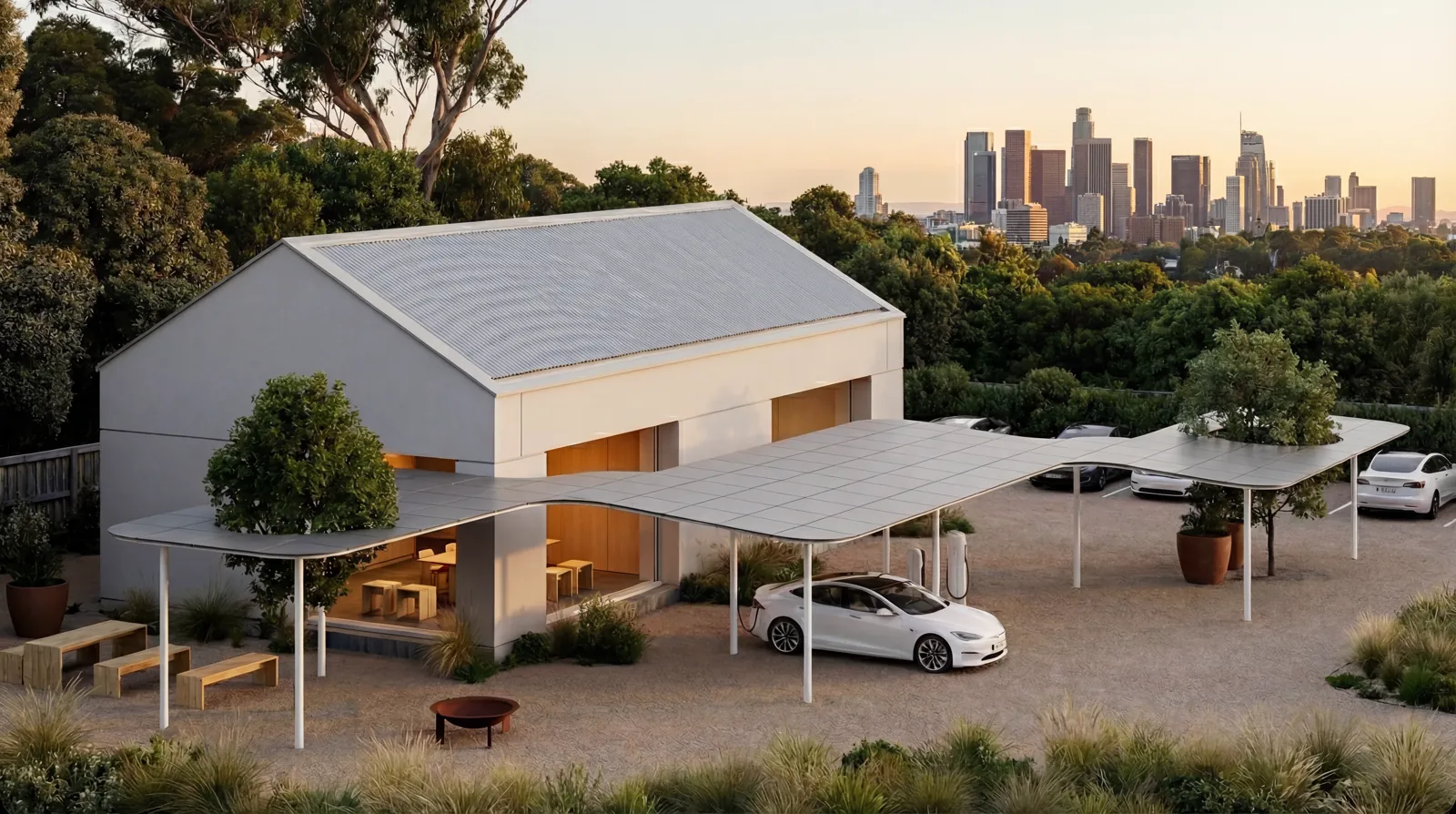
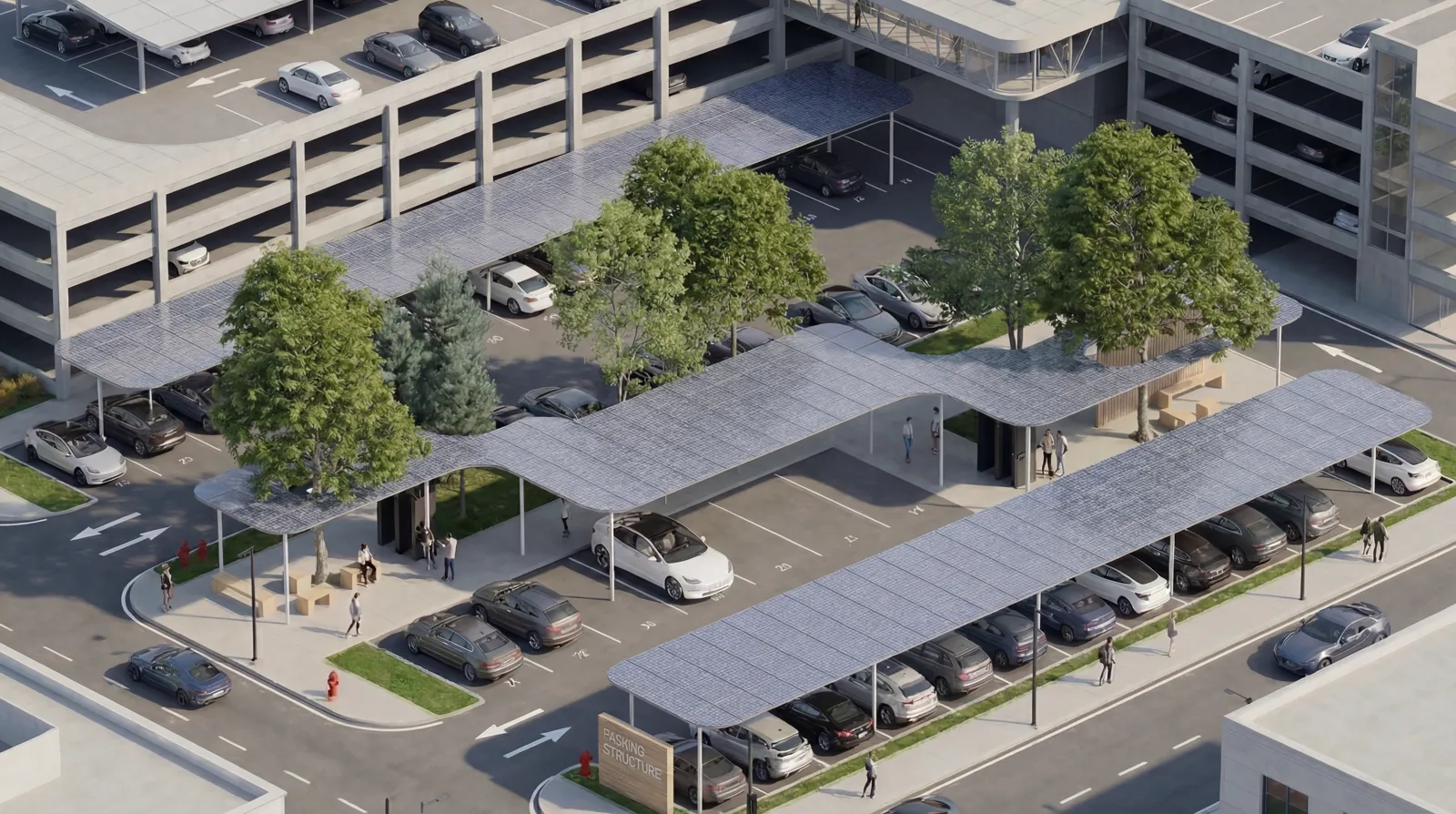
    Cover for a car park, a path or open ground that also makes power.

    A Solar Form canopy array A Solar Form canopy over open terrain

Software

None of it is infrastructure until one thing watches all of it at once.

  1. FlowForm

    Now

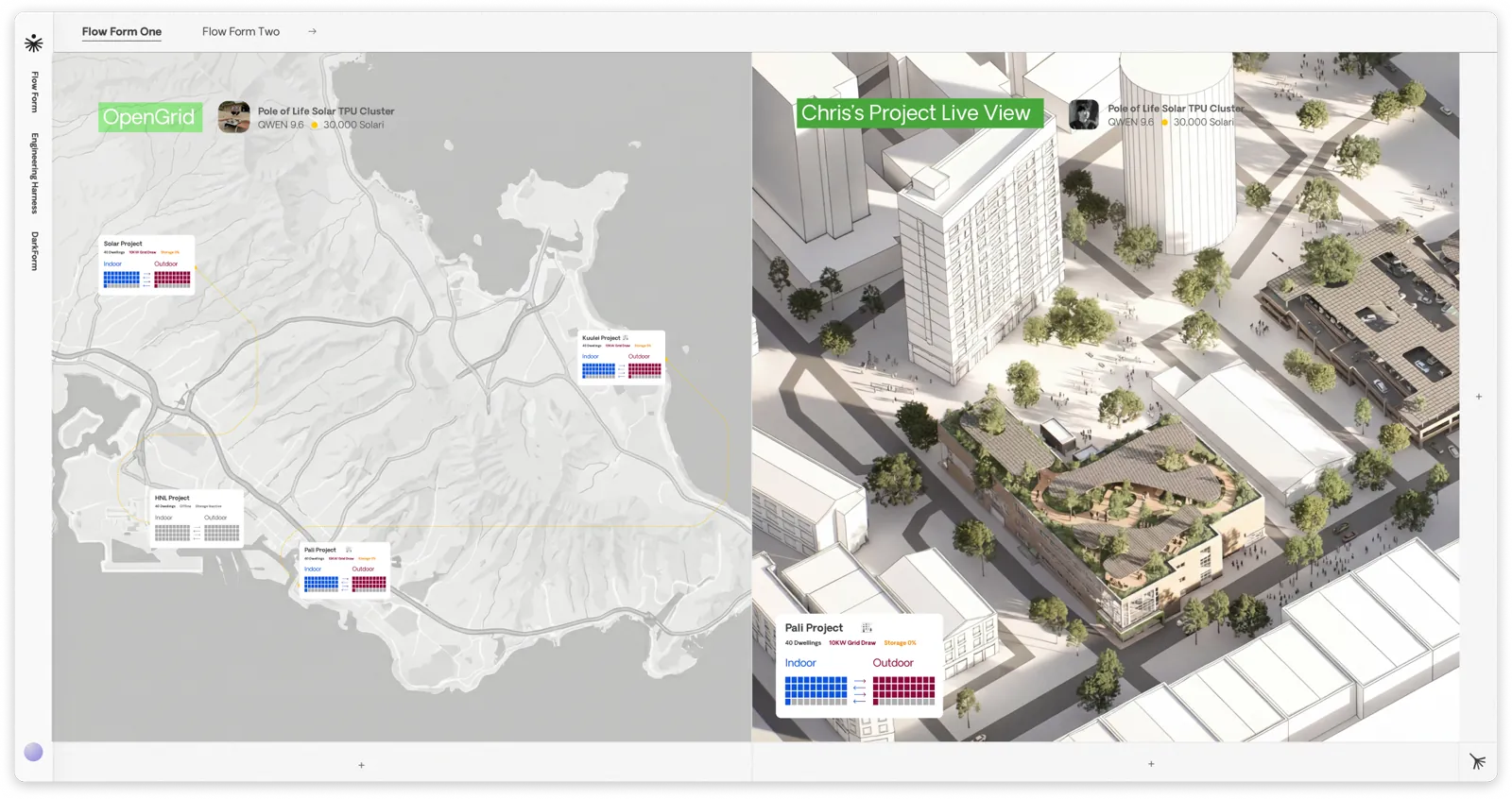
    Watches the water and the energy, everywhere at once.

    The FlowForm interface
  2. Form Research

    Now

    Learns from every system we have running, and tunes them.

All of it is designed in Hawaii. Humid, sunlit, heavy with salt air, and the most expensive electricity in America. If it works here it works anywhere.

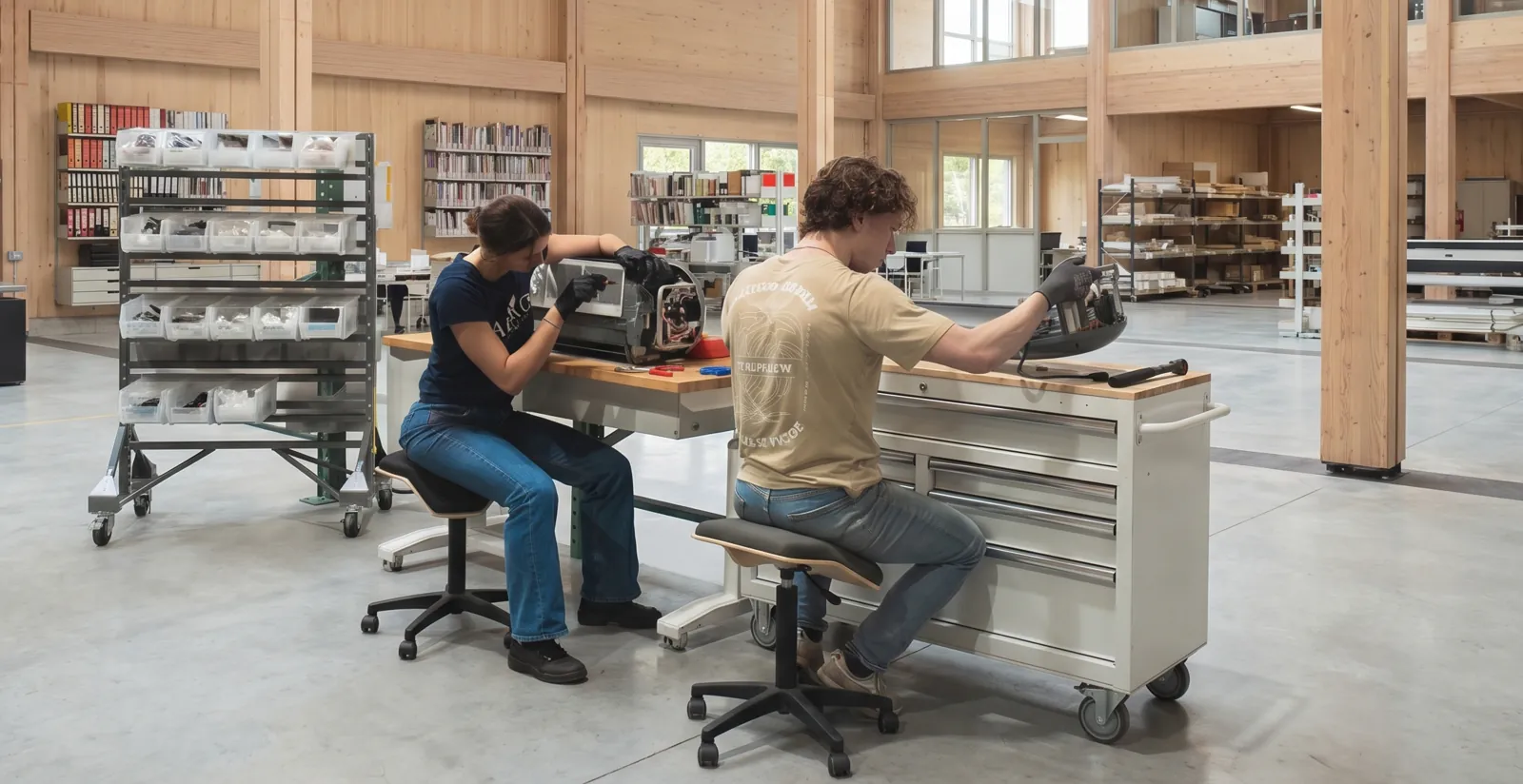
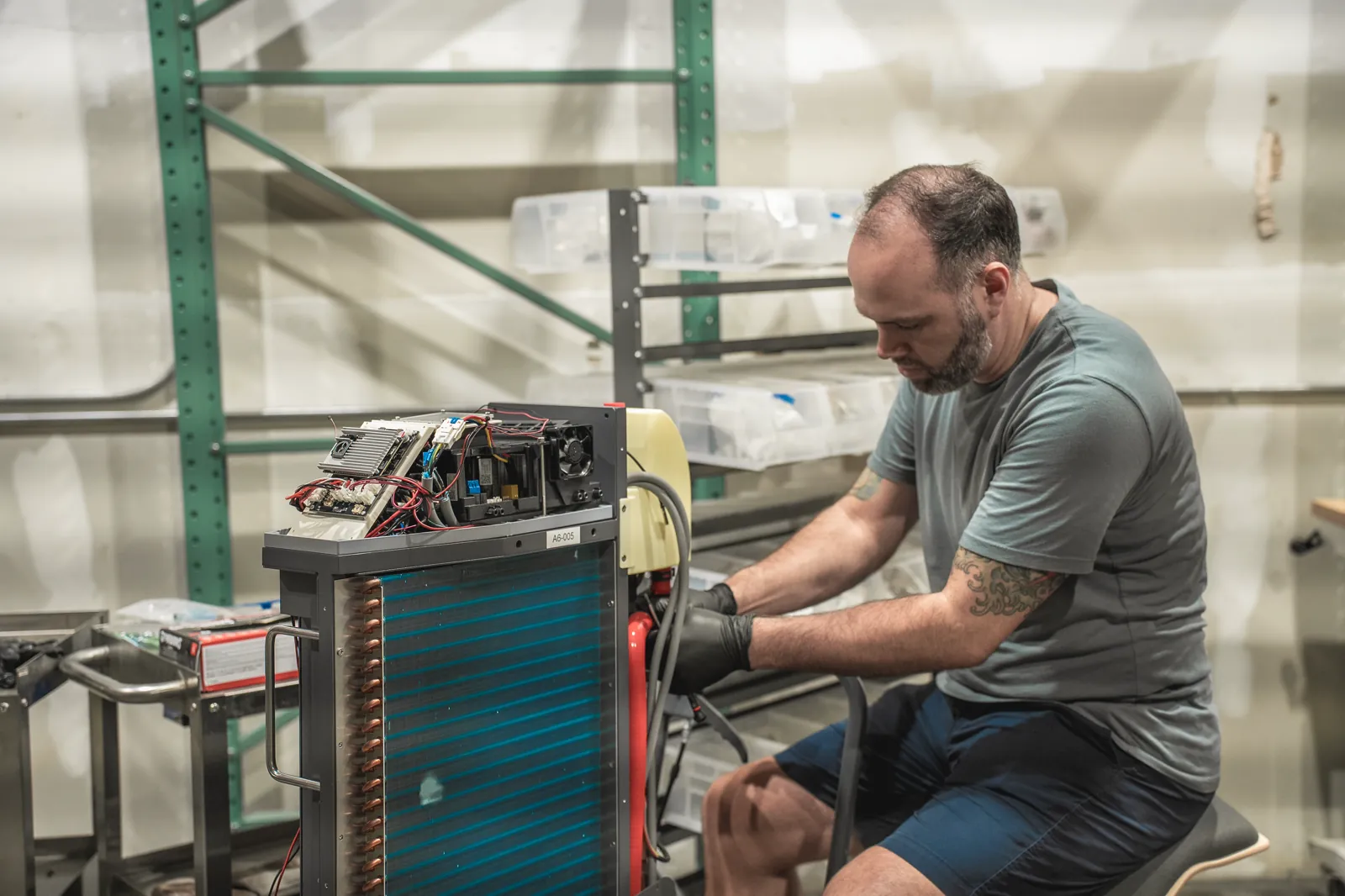
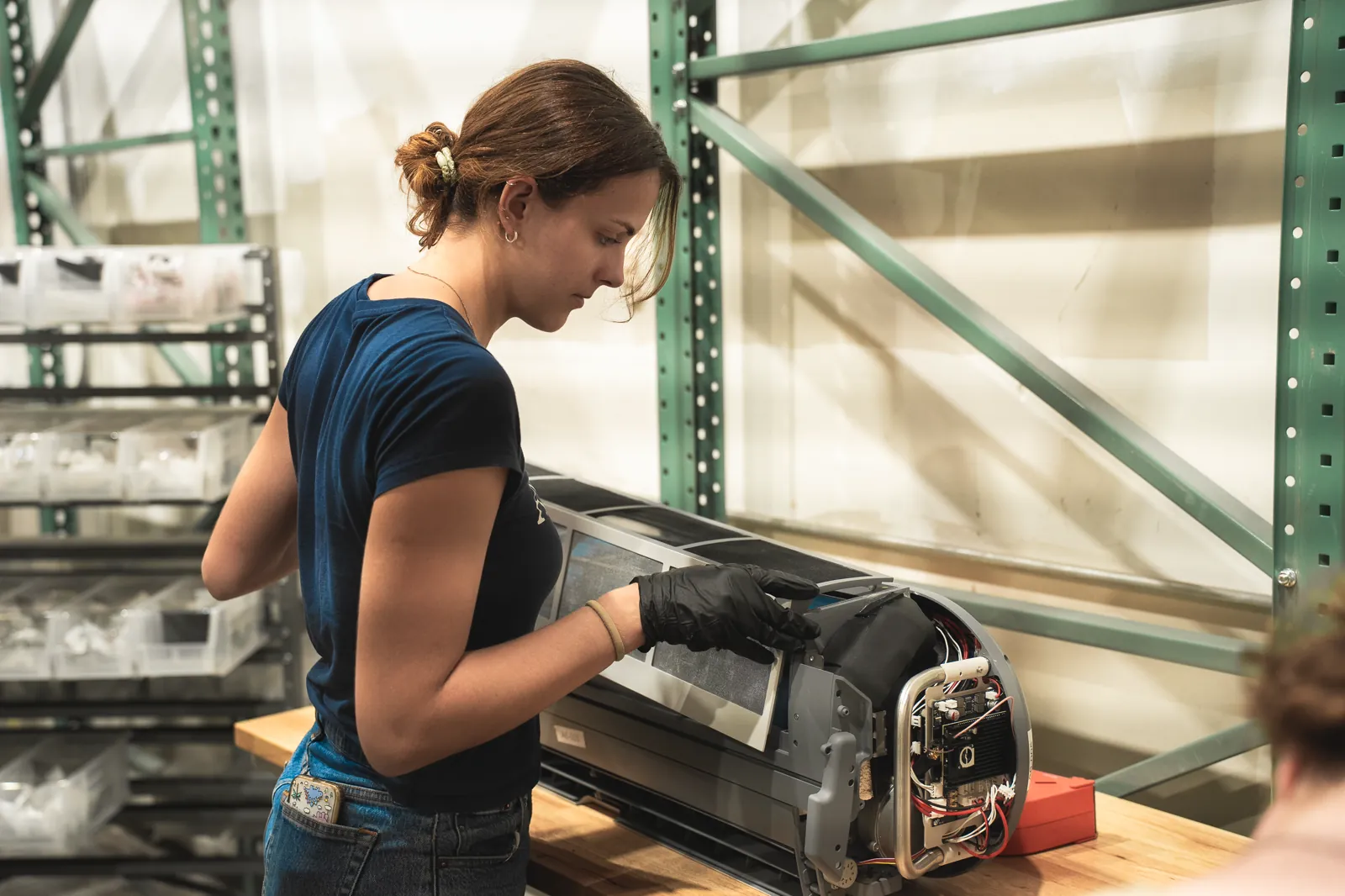
We build it ourselves, in a factory that runs on the same microgrids we sell. Nothing ships until it has worked here first.

Installation day
Inside the assembly facility
An Airform unit being fitted
A finished installation

The goal is simple. Energy cheap enough, clean enough and easy enough to move that nobody has to think about it again.